
Sydney metro · Commercial
Commercial Exhaust Fan Cleaning in Sydney
Blades balanced and degreased, motor housing cleared, airflow back to where it was when the system was commissioned.
Open 7 days, 7am–7pm · Emergency callouts available
4.9/5 on Google
500+ kitchens serviced
Licensed & insured
AS 1851 & AS/NZS 1668.1
Same-day quotes
4.9/5
127 reviews · 500+ kitchens
AS 1851 certificate
Issued every clean
Licensed & insured
$20m public liability
Overnight crews
No lost trading hours
Fixed written price
Itemised, no hourly rates
Sydney’s exhaust cleaning experts
Get your fixed quote today.
Fast. Compliant. No obligation.
AS 1851 Certified
Every clean is documented to AS 1851 and AS/NZS 1668.1.
Fixed, Transparent Pricing
No hourly rates. No hidden fees. The price we quote is the price you pay.
We Work Around You
Overnight and early-morning cleaning so your kitchen is ready for service.
from 127 Google reviews
- Kitchens Serviced
- 500+ Kitchens Serviced
- Years in Sydney
- 10+ Years in Sydney
- Public Liability Cover
- $20M Public Liability Cover
Request a quote
Six quick details and we’ll come back with a fixed, itemised price.
What is exhaust fan cleaning?
Exhaust fan cleaning is the degreasing of the impeller, fan blades, housing and motor assembly of a kitchen extraction fan, restoring the airflow rate the system was designed to deliver.
What’s included
Fixed scope. Everything below is in the price — nothing is an optional extra.
- Fan isolated and locked out at the switchboard before any panel is opened
- Impeller and blades removed where possible, degreased and re-balanced
- Motor housing, mounts and belt drive cleaned and checked for wear
- Bearings and drive belts inspected — faults reported with photos, not silently ignored
- Discharge cowl and weather hood cleared of build-up
- Airflow reading taken before and after, and recorded on the service report
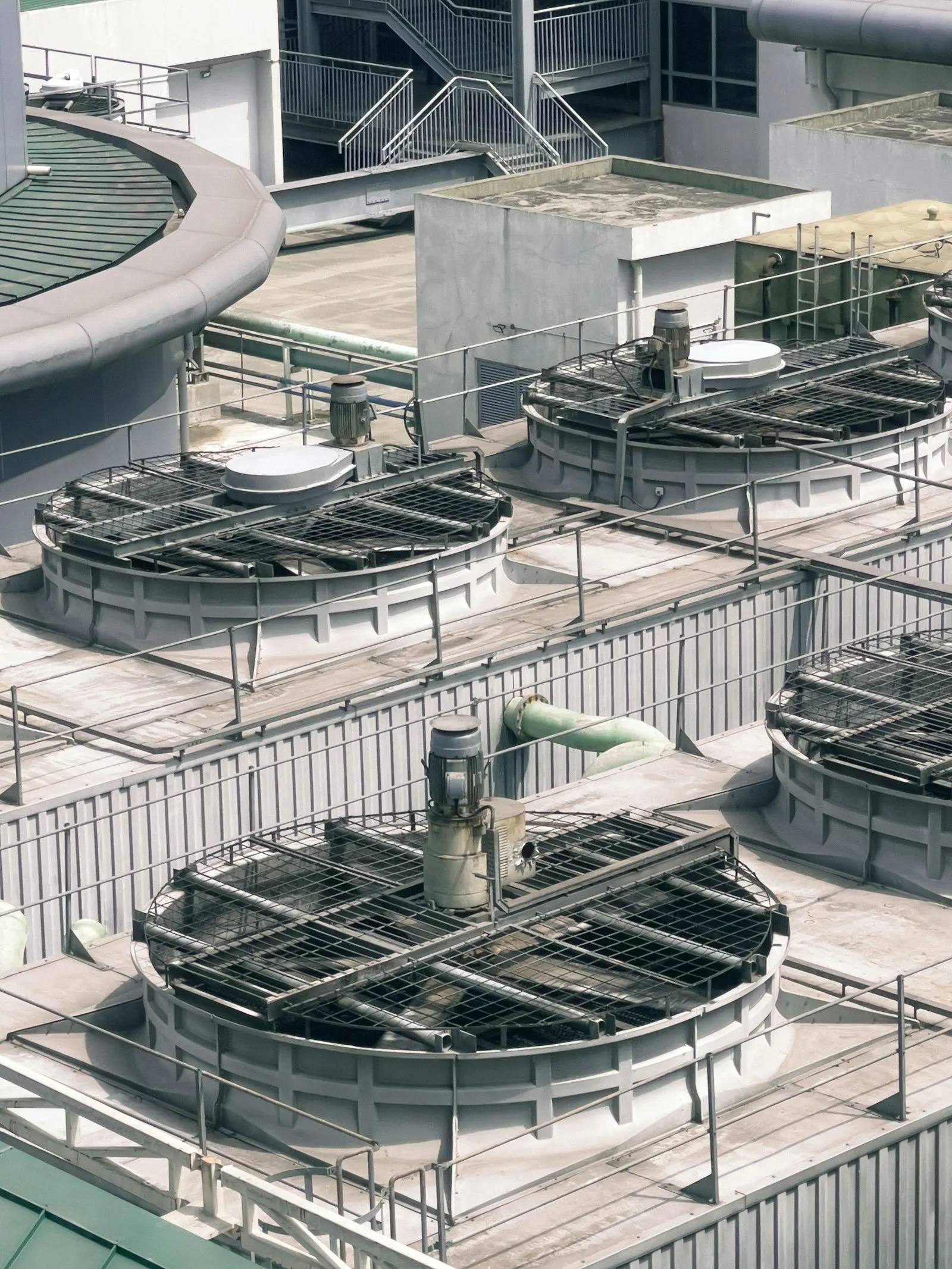
Every access point is photographed before and after, and filed with your certificate.
Why it matters
The case for exhaust fan cleaning
Three specific reasons, each with the mechanism behind it.
An unbalanced impeller destroys its own bearings
Grease loads onto fan blades unevenly. That imbalance vibrates the shaft, and vibration is what kills bearings and drive belts — a cleaned, balanced impeller is straightforwardly cheaper than a replacement motor.
Airflow loss is invisible until the kitchen is unworkable
Fan performance degrades gradually, so staff adapt to the haze rather than reporting it. Taking a before and after airflow reading turns that into a number you can act on.
The fan is the hottest point in the system
A motor running against added load runs hotter, directly beside accumulated grease. Clearing the housing removes fuel from the one component in the run that generates its own heat.
Our process
How we clean: exhaust fan cleaning
Same sequence every job, so the result is repeatable and the report means something.
- Step 1
Isolate and lock out
Power isolated at the board and tagged, so the impeller cannot be energised while a technician is inside the housing.
- Step 2
Strip and degrease
Impeller withdrawn where the design allows, blades and housing degreased, then rinsed and dried.
- Step 3
Inspect the mechanicals
Bearings, belts, mounts and guards checked while the unit is open. Anything worn is photographed and reported.
- Step 4
Reassemble and measure
Unit rebuilt, run up, and airflow measured against the pre-clean reading so the gain is documented.
Exhaust Fan Cleaning: before and after
Before & after
The system you're paying us to clean, alongside one in serviced condition.
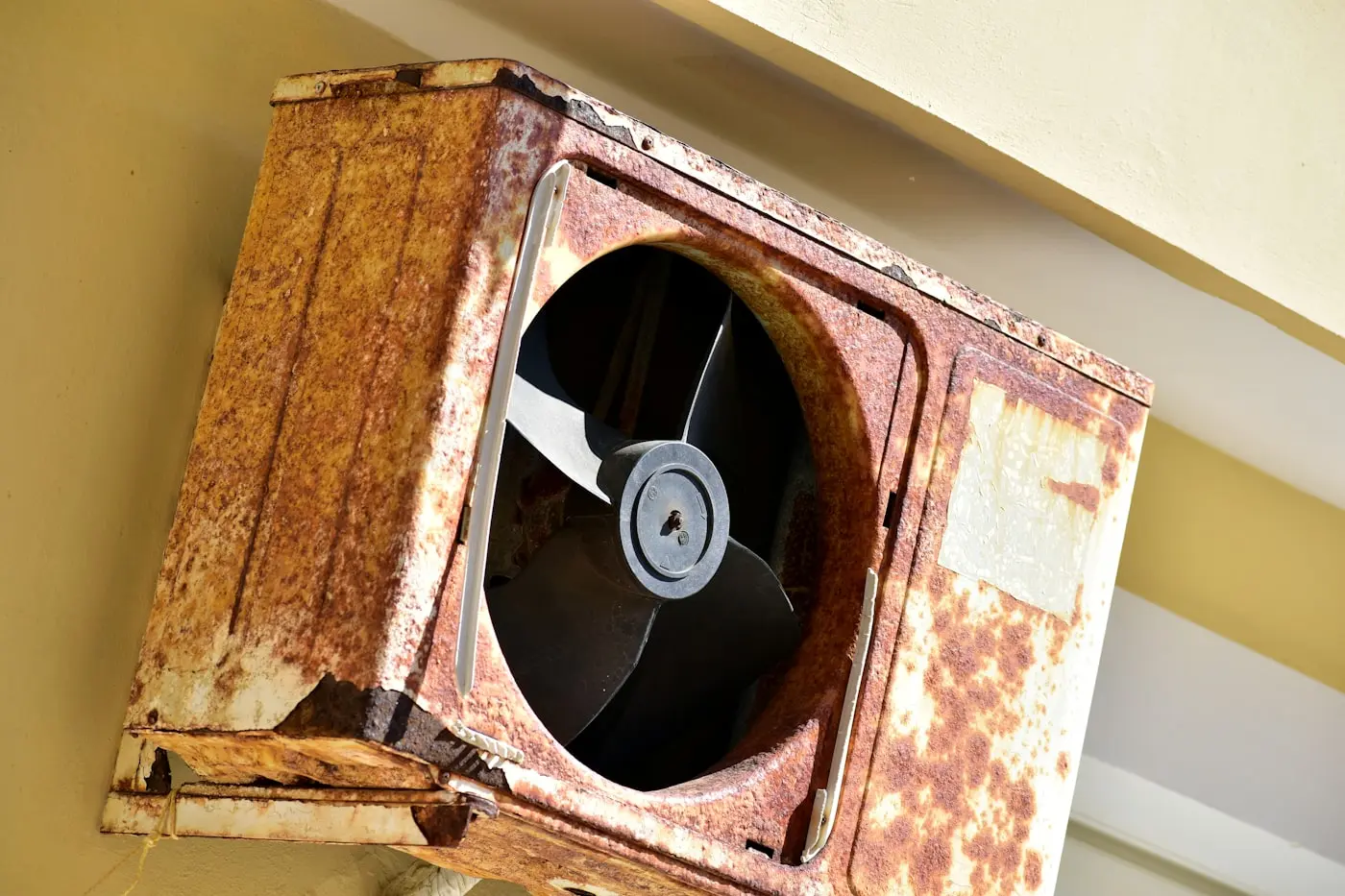 Overdue
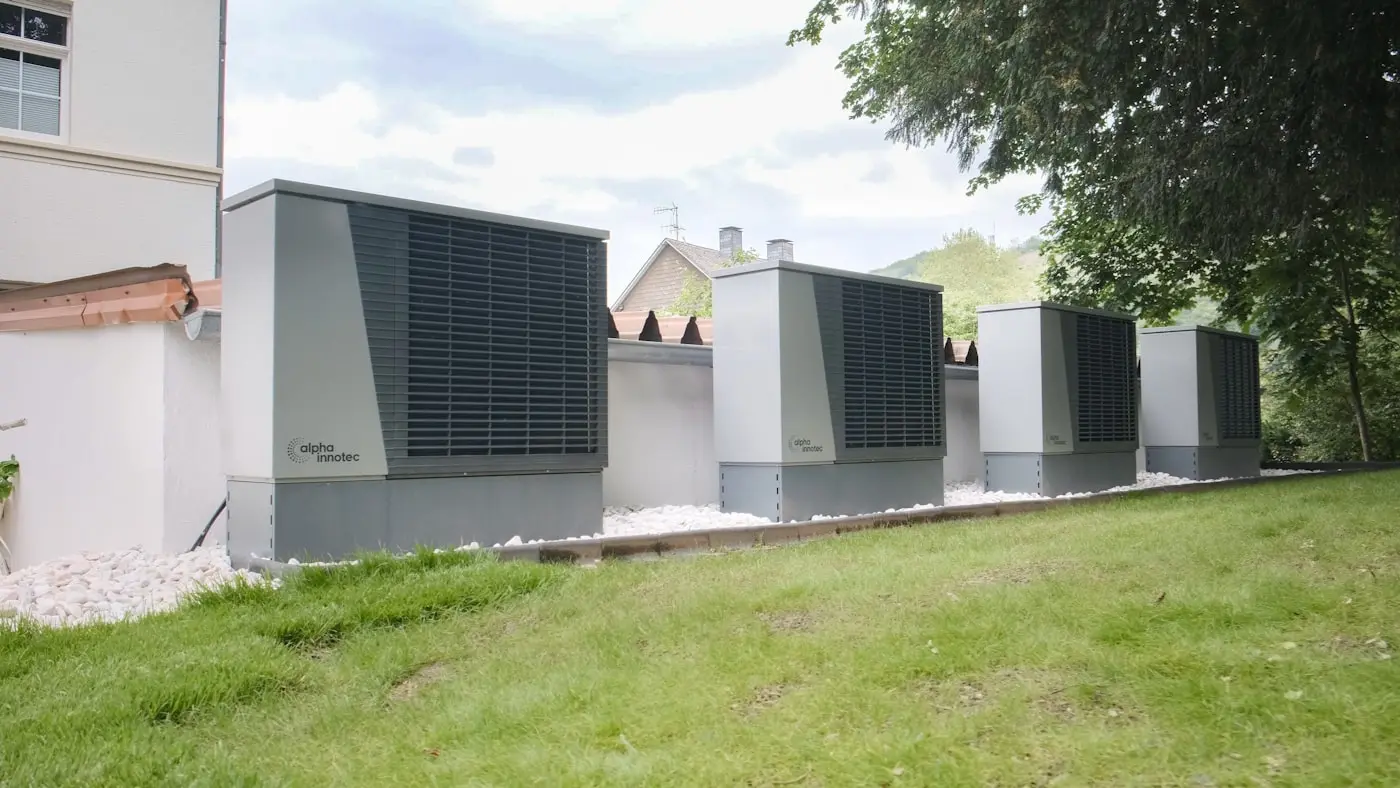 Serviced
Wall-mounted exhaust fan
Impeller degreased and rebalanced, housing cleared, airflow measured before and after.
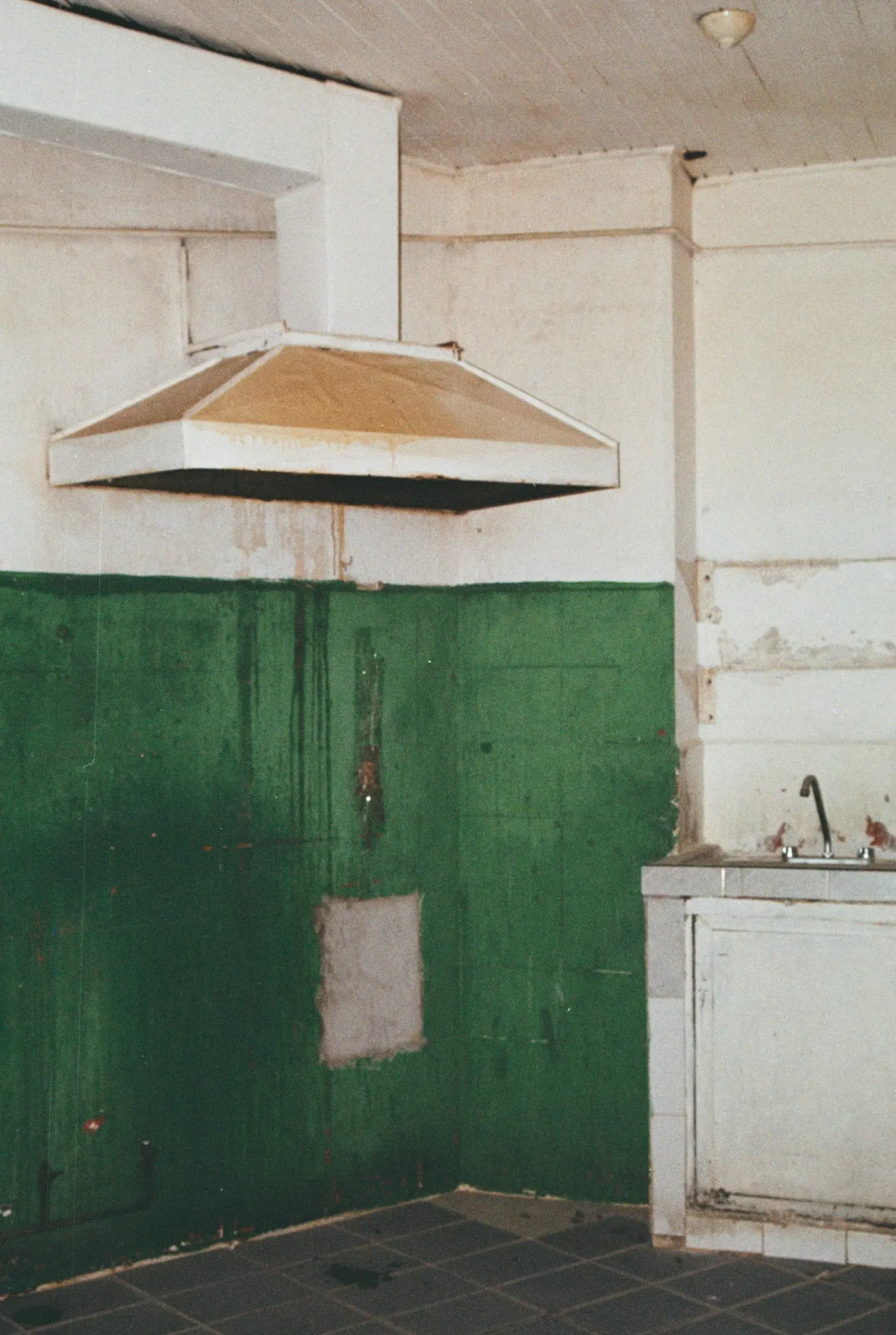 Overdue
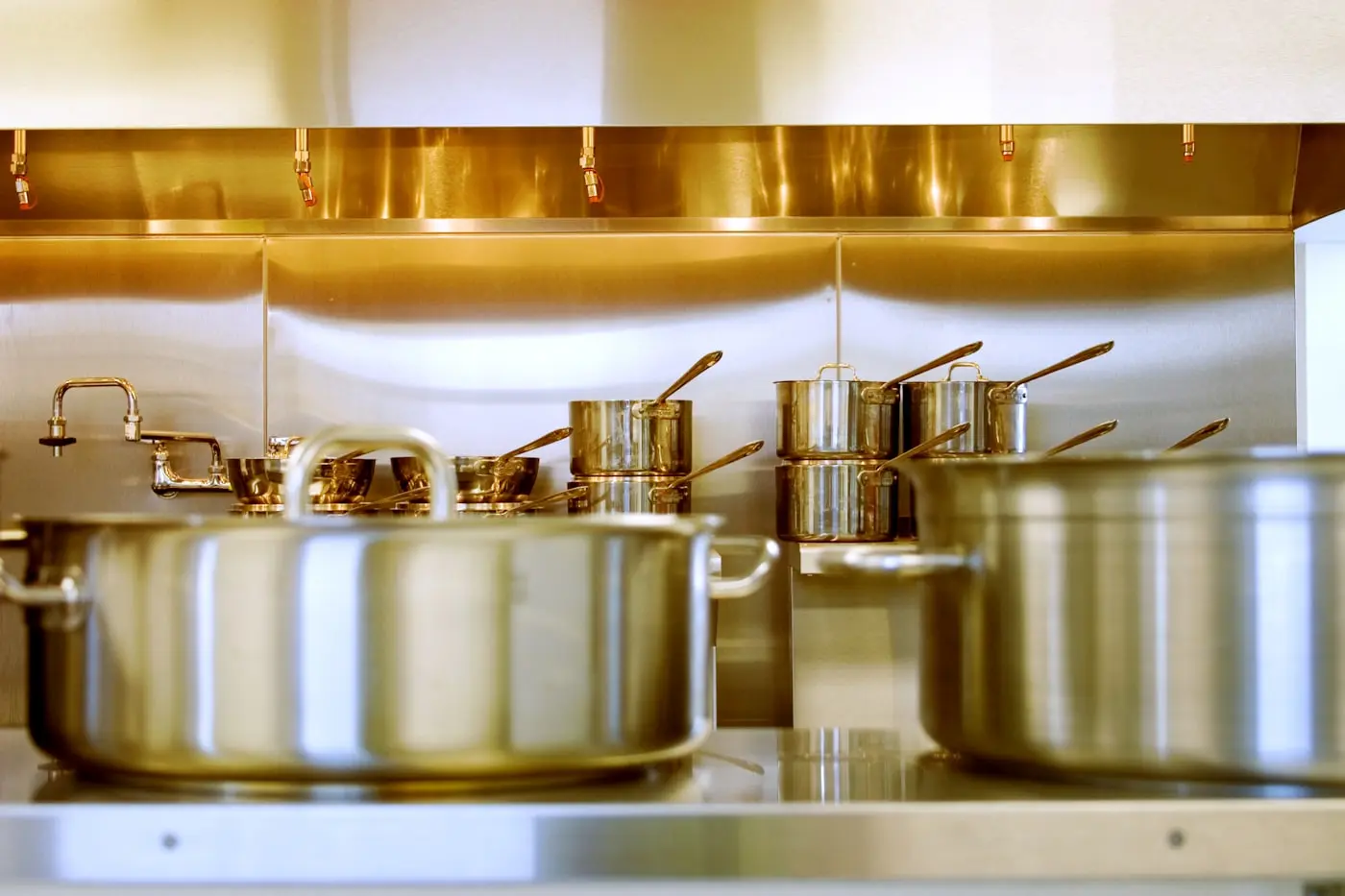 Serviced
Kitchen canopy and filters
Filters soak-tanked at 60–80°C, plenum scraped, canopy face polished back to bare stainless.
Exhaust Fan Cleaning — questions we get asked
FAQ
Direct answers, no runaround.
How often should a commercial kitchen exhaust fan be cleaned?
Every 3 to 6 months, aligned with the duct cleaning cycle. A fan cleaned on its own will re-contaminate quickly if the duct feeding it is still loaded with grease, so the two are best scheduled together.
Will cleaning the fan actually improve airflow?
Yes, and we measure it. Heavily loaded impellers commonly lose 20–30% of their rated airflow; we take a reading before and after every clean and record both figures on the service report.
Do you repair fans as well as clean them?
We clean, inspect and report. Where we find worn bearings, a slipping belt or a failing motor, we document it with photos and quote the repair separately so you can decide.
We service exhaust fan cleaning across Sydney
Pick your suburb for local detail, or call us — we cover the whole metro area plus the Macarthur region and Illawarra.
Also worth cleaning