· Expert Exhaust Cleaning · Duct Cleaning · 5 min read
Do You Need Duct Cleaning If Your Canopy Is Clean?
A spotless canopy hides nothing about your ductwork — here’s why grease keeps building where you can’t see it and when duct cleaning is still due.
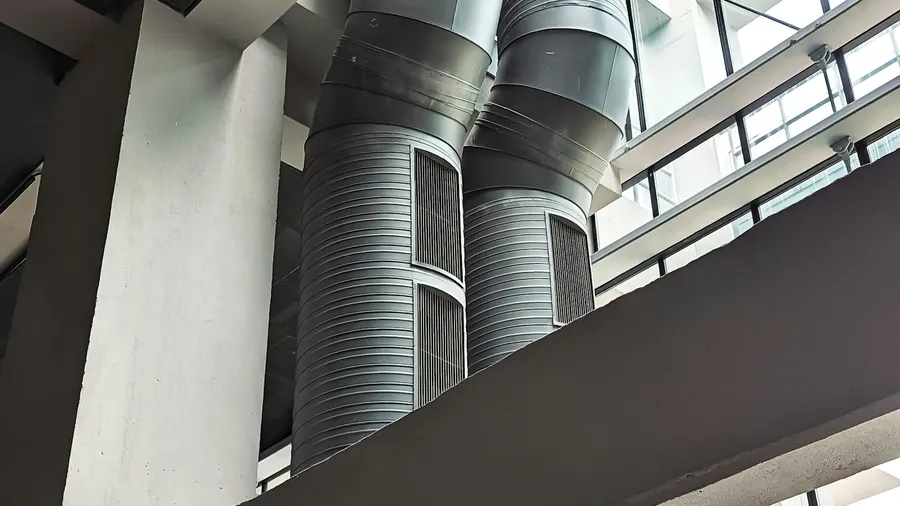
Yes — you almost always still need duct cleaning even when your canopy looks clean. Grease vapour travels straight past the hood and filters into the horizontal duct runs, vertical risers, and exhaust fan, where it settles out of sight and builds toward an ignitable layer. Canopy cleaning and duct cleaning are two separate jobs, so cleaning only what you can see leaves the highest fire-risk section of your system untouched.
The debate over duct cleaning vs canopy cleaning trips up a lot of operators, because the canopy is the only part you look at every day. But grease does not stop at the filters — it rides the airflow deep into the system, which is exactly where a commercial kitchen fire starts and spreads.
Duct cleaning vs canopy cleaning: what is the difference?
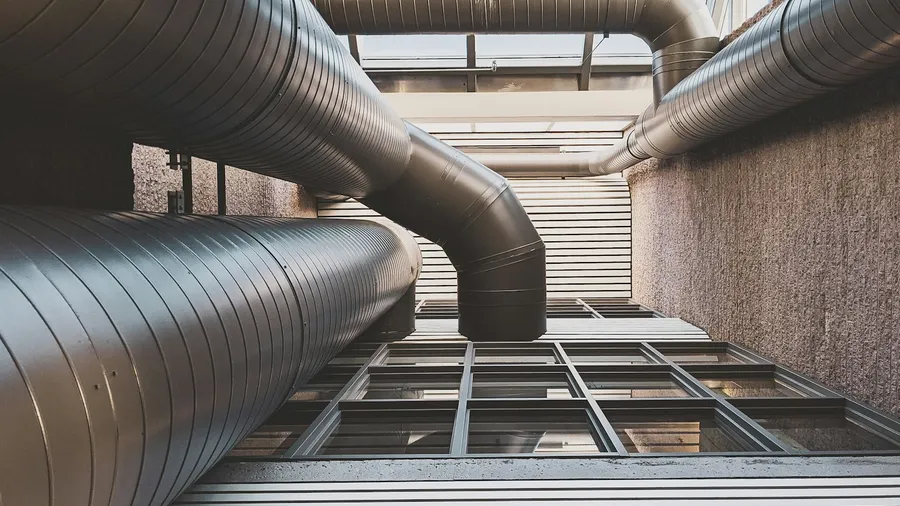
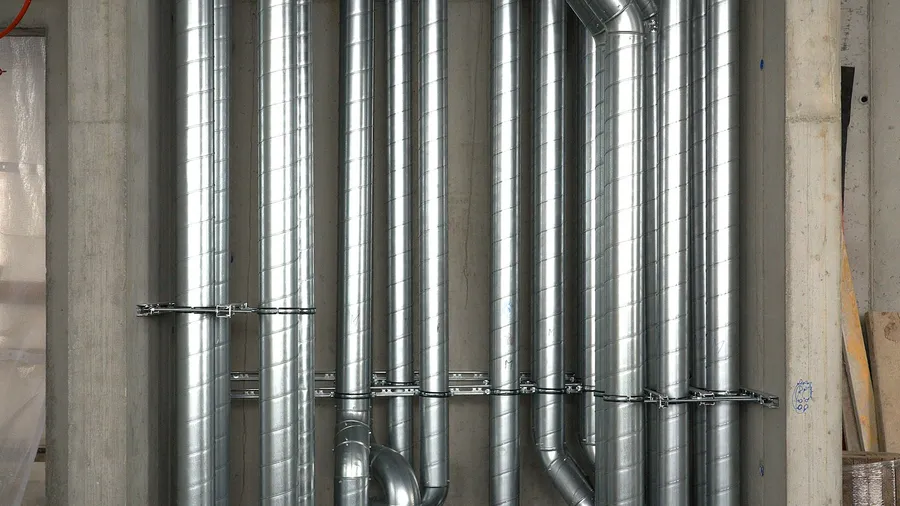
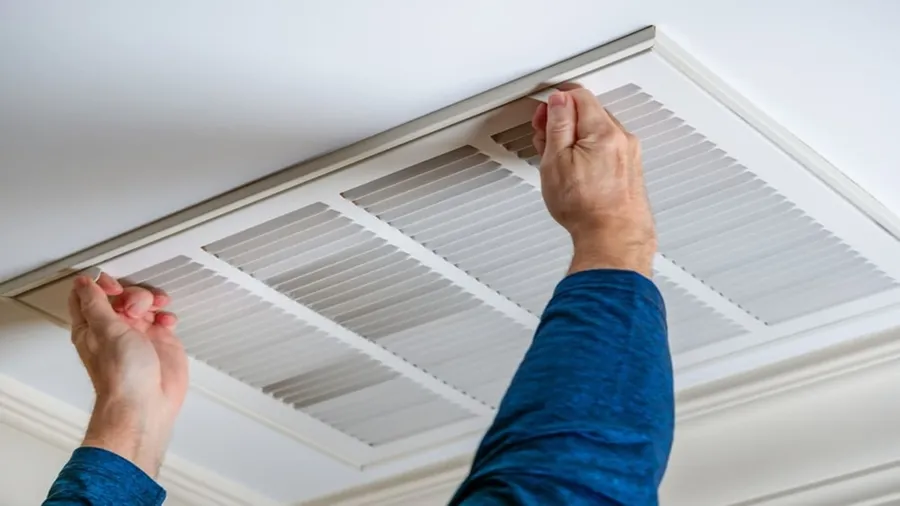
Canopy cleaning covers the hood, baffle filters, capture area, and plenum, while duct cleaning covers the hidden run of ductwork from the plenum to the exhaust fan on the roof. They are different jobs because they target different grease loads in different locations, and one does not clean the other.
The canopy is visible and easy to inspect. The ducts are concealed inside walls, ceilings, and roof spaces, so grease accumulates unnoticed until an inspection or a fire finds it.
| Aspect | Canopy (hood) cleaning | Duct cleaning |
|---|---|---|
| What it covers | Hood, baffle filters, plenum, capture area | Horizontal ducts, vertical risers, exhaust fan |
| Visibility | Visible and easy to check daily | Hidden in walls, ceilings and roof |
| Main risk if skipped | Grease drip onto food, blocked filters | Concealed grease fuelling a duct fire |
| Access required | Open hood, remove filters | Access panels to AS/NZS 1668.1 |
| Why it matters | Keeps capture and food safety right | Removes the fuel that spreads fire |
Why does a clean canopy not mean clean ducts?
A clean canopy does not mean clean ducts because baffle filters only capture a portion of airborne grease — the rest passes through as vapour and condenses on the cooler duct walls further along. The canopy is the first line of defence, not a seal, so grease routinely escapes into the ductwork it is meant to protect.
Filters are designed to slow grease, not stop it. Every service you run past the canopy alone lets more grease coat the duct, which raises fire risk because grease is the leading ignition fuel in commercial kitchen fires.
Where does grease actually build up in an exhaust system?
Grease builds up most heavily in the horizontal duct runs, at bends and elbows, in the vertical riser, and around the exhaust fan blades. These points slow or turn the airflow, so grease drops out of the air stream and sticks, forming the thickest deposits in the parts you never see.
A layer only a few millimetres thick will sustain a fast-moving fire. That is why AS/NZS 1668.1 governs mechanical ventilation design — proper duct sizing and access panels exist so these hidden sections can be reached, cleaned, and verified.
Do charcoal, wok and frying kitchens need duct cleaning more often?
Yes — charcoal, wok, and high-volume frying kitchens need monthly filter cleaning and quarterly duct cleaning. These cooking styles aerosolise the most oil and carbon, so grease coats the duct walls three to four times faster than a light kitchen. A clean canopy on these sites is even less reassuring, because the duct fouls between visible cleans.
How often should you clean ducts versus the canopy?
Most Sydney commercial kitchens need a canopy clean every 3 to 6 months and a full duct cleaning on the same or slightly longer cycle, matched to grease load rather than the calendar. High-volume sites move to monthly filters and quarterly duct work, because grease reaches an ignitable thickness far sooner.
| Kitchen type | Canopy / filters | Duct cleaning |
|---|---|---|
| Heavy — charcoal, wok, heavy frying | Monthly | Every 3 months |
| Medium — pubs, bistros, cafes | Fortnightly to monthly | Every 6 months |
| Light — reheat, steaming, low grease | Monthly | Every 12 months |
Cleaning on this schedule reduces fire risk because it removes grease before it can ignite, and it keeps airflow strong, which lowers energy costs and keeps the kitchen cooler. For a full breakdown, see our guide to how often commercial ducts need cleaning in Sydney.
What do the Australian Standards require?
AS 1851 requires routine inspection and servicing of fire protection systems — including kitchen exhaust hoods and ducts — and it drives the record-keeping that insurers and councils expect. It does not accept a clean canopy as evidence the duct is clean; both must be inspected and serviced against grease accumulation.
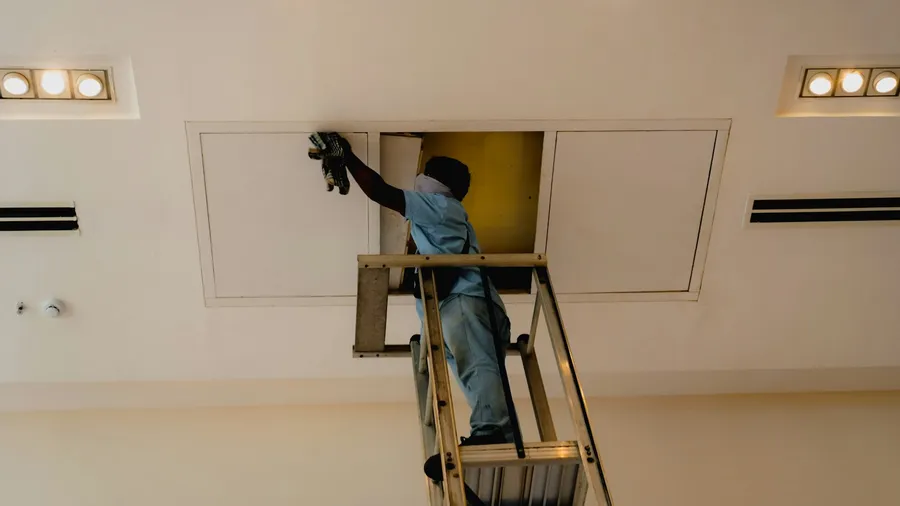
AS/NZS 1668.1 governs the ventilation design that makes the duct cleanable, including the access panels needed to reach the full run. Without those panels a cleaner cannot verify the hidden ductwork — we cover this in our guide to exhaust duct access panels and AS 1851.
What does canopy and duct cleaning cost in Sydney?
A single-canopy clean in Sydney starts from around $390, while a full canopy-and-duct clean typically runs $900 to $2,500 depending on duct length and access. Multi-storey systems with long vertical risers and roof-top fans generally start from $3,000.
| Job type | Typical Sydney price (AUD) |
|---|---|
| Single canopy clean | from ~$390 |
| Canopy + duct clean | $900 – $2,500 |
| Multi-storey duct system | $3,000+ |
Price scales with duct length, number of access points, and grease load, which is why a canopy-only clean looks cheaper but leaves your biggest liability in place. Bundling the duct with the canopy on a matched interval keeps each visit shorter and every clean cheaper, because grease never gets the chance to accumulate.
The bottom line: is a clean canopy enough?
A clean canopy is never proof of a clean duct — it is one visible part of a system whose highest fire risk sits out of sight. Book both to a schedule that matches how you cook, keep the AS 1851 records, and you protect the building, your insurance, and your kitchen in one pass.
Don’t let a tidy hood mask a grease-loaded duct. Call Expert Exhaust Cleaning on 0468 070 392 or get a same-day quote to have your full canopy and ductwork inspected, cleaned, and logged against AS 1851.