· Expert Exhaust Cleaning · Duct Cleaning · 5 min read
How Often Does a Commercial Kitchen Exhaust Duct Need Cleaning?
Most commercial kitchen exhaust ducts in Sydney need cleaning every 3 to 6 months, while high-volume fryers and woks demand quarterly duct work to control grease.
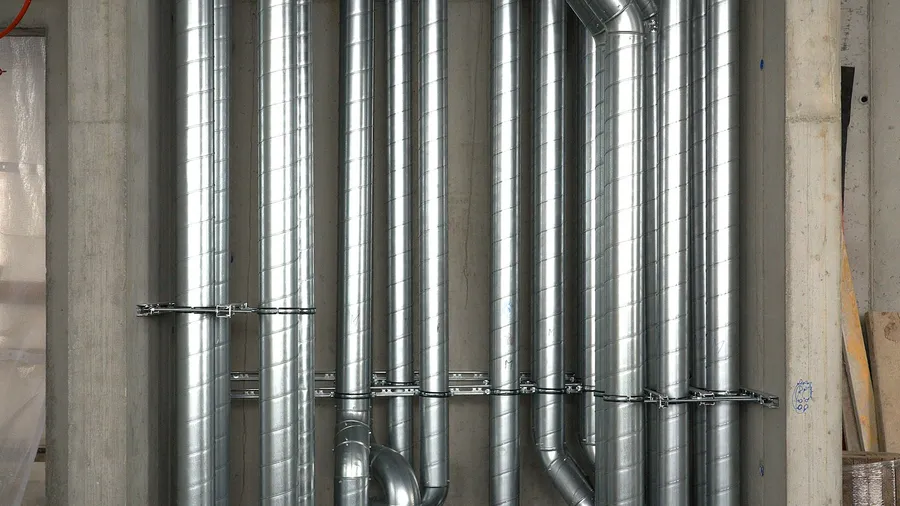
Most commercial kitchen exhaust ducts in Sydney need cleaning every 3 to 6 months. High-volume kitchens — charcoal grills, woks, and heavy frying — need monthly filter cleaning and quarterly duct cleaning, because grease builds faster and grease is the leading cause of commercial kitchen fires. Your exact commercial duct cleaning frequency in Sydney depends on cooking volume, oil type, and the inspection requirements set out in AS 1851.
Getting the interval right is not guesswork — it is driven by how much grease your cooking line produces and how quickly it coats the ductwork. Clean too rarely and you carry a live fire risk and fail compliance; clean on a schedule matched to your kitchen and you protect the building, your insurance, and your food safety rating.
What determines commercial duct cleaning frequency in Sydney?
Cleaning frequency is set by cooking volume, the type of oil and fuel you use, and the design of your exhaust system. Heavier cooking deposits more grease, so the interval shortens. The four biggest factors are:
- Cooking volume — more covers per day means more grease vapour, so more frequent cleaning.
- Fuel and appliance type — charcoal and solid fuel produce the most residue, with woks and deep fryers close behind.
- Hours of operation — a 16-hour kitchen fouls roughly twice as fast as an 8-hour one.
- Duct run and design — long horizontal runs and elbows trap grease and need attention sooner, which is why AS/NZS 1668.1 mechanical ventilation design matters.
A well-designed system with good duct cleaning access still needs regular servicing, but it is far cheaper and faster to clean.
How often should you clean based on cooking volume?
Match the interval to your cooking category — light, medium, or heavy — because grease load scales directly with volume and fuel. Use the table below as a Sydney baseline.
| Kitchen type | Example sites | Filter cleaning | Duct cleaning |
|---|---|---|---|
| Heavy / high-volume | Charcoal grills, wok kitchens, 24-hour fast food, heavy frying | Monthly | Every 3 months |
| Medium volume | Pubs, bistros, cafes with a grill and fryer | Fortnightly to monthly | Every 6 months |
| Light volume | Reheat-only, steaming, low-grease prep | Monthly | Every 12 months |
These intervals reduce fire risk because they remove grease before it reaches an ignitable thickness. They also keep airflow strong, which lowers energy costs and keeps the kitchen cooler.
Do charcoal, wok and frying kitchens need cleaning more often?
Yes — charcoal, wok, and high-volume frying kitchens need monthly filter cleaning and quarterly duct cleaning. These cooking styles aerosolise the most oil and carbon, so grease coats the duct walls three to four times faster than a light kitchen. Leaving them on a 6-month cycle allows dangerous build-up between services.
What do the Australian Standards say about cleaning frequency?
AS 1851 requires routine inspection and servicing of fire protection systems, including kitchen exhaust hoods and ducts, and it drives the record-keeping that insurers and councils expect. AS/NZS 1668.1 governs the mechanical ventilation design — duct sizing, access panels, and airflow — that makes a system cleanable in the first place.
Neither standard sets a single universal interval; instead they require a schedule based on grease accumulation, verified by inspection. In practice that means an inspection at least every 6 months, with cleaning triggered when grease reaches a measurable depth.
Proper access panels are essential to meet AS 1851 — without them, cleaners cannot reach or verify the full duct run. We cover this in our guide to exhaust duct access panels and AS 1851.
Why does grease build-up matter so much?
Grease build-up matters because it is the leading cause of commercial kitchen fires — grease is the fuel, and a hot duct or spark is the ignition. A grease layer just a few millimetres thick will sustain a fast-moving fire that spreads through the ductwork into the roof space.
Regular cleaning removes that fuel, which is the single most effective way to cut fire risk. It also:
- Protects your insurance — most policies require documented cleaning to AS 1851, and a lapse can void a claim.
- Improves airflow and extraction — clean ducts pull smoke and heat out efficiently, so staff work in a cooler, safer kitchen.
- Supports food safety — clean exhaust reduces grease drip and contamination over the cooking line.
What does commercial duct cleaning cost in Sydney?
A single-canopy clean in Sydney starts from around $390, with full canopy-and-duct cleans typically running $900 to $2,500 depending on duct length and access. Multi-storey systems, which involve long vertical risers and roof-top fans, generally start from $3,000.
| Job type | Typical Sydney price (AUD) |
|---|---|
| Single canopy clean | from ~$390 |
| Canopy + duct clean | $900 – $2,500 |
| Multi-storey duct system | $3,000+ |
Price scales with duct length, number of access points, and grease load — which is exactly why a shorter cleaning interval keeps each visit cheaper. Letting grease accumulate makes every clean longer, harder, and more expensive.
How do you know your duct is due for a clean?
The clearest signs are visible grease at the filters, reduced extraction, lingering smoke, and a stale grease smell in the kitchen. If your inspection sticker or logbook is overdue, treat it as due now — because grease keeps accumulating regardless of the calendar.
If you are unsure, a technician can measure grease depth during an inspection and set an interval that matches your actual load. To see what the service involves, read our walkthrough of what happens during a commercial duct clean.
Book your kitchen in on a schedule matched to how you cook, not a generic annual clean. Call Expert Exhaust Cleaning on 0468 070 392 or get a same-day quote to set an interval that keeps you compliant with AS 1851 and your kitchen fire-safe.